Ancient City Culture and Paifang
A saying once circulated among the public: one in five Hong Kong people is of Chao origin (五個港人一個潮). The word "Chao (潮)"1 here naturally does not refer to "trend," but rather to "Chaozhou heritage." In the past, many people of Chaozhou descent came to Hong Kong from the Chaoshan region of Guangdong to make a living, bringing with them the customs, traditions, and culinary culture of their hometown. Passed down through generations — with both inheritance and innovation — this heritage has become an important element of Hong Kong's multicultural identity.
During President Xi Jinping's inspection tour of Guangdong in 2020, his first stop was Chaozhou. While visiting the ancient city of Chaozhou, he remarked: "Chaozhou is a culturally renowned city with a long history. Chaoshan culture is an important component of Lingnan culture and a significant branch of Chinese civilization."
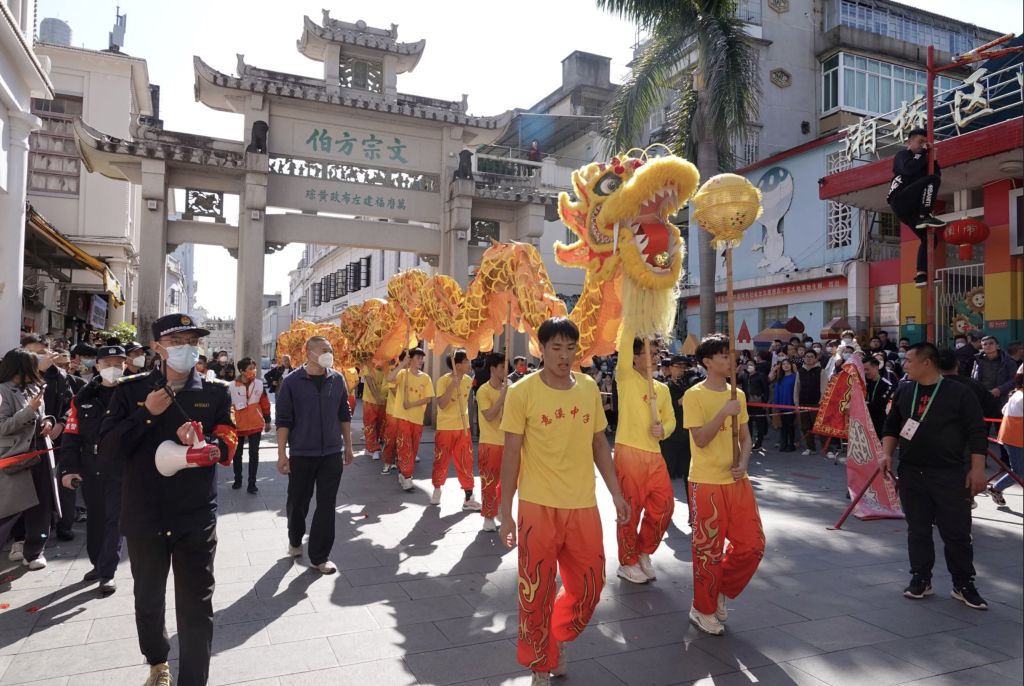
So just how rich is the cultural heritage of Chaozhou's ancient city? With a history spanning more than 1,600 years, the ancient city of Chaozhou was among the first cities in Guangdong Province to receive the designation of "National Famous Historical and Cultural City." The ancient city still retains its original layout and appearance to this day, with numerous historical buildings bearing the distinctive characteristics of Lingnan architecture seamlessly blending into the rhythms of everyday life, forming a uniquely captivating ancient cityscape.
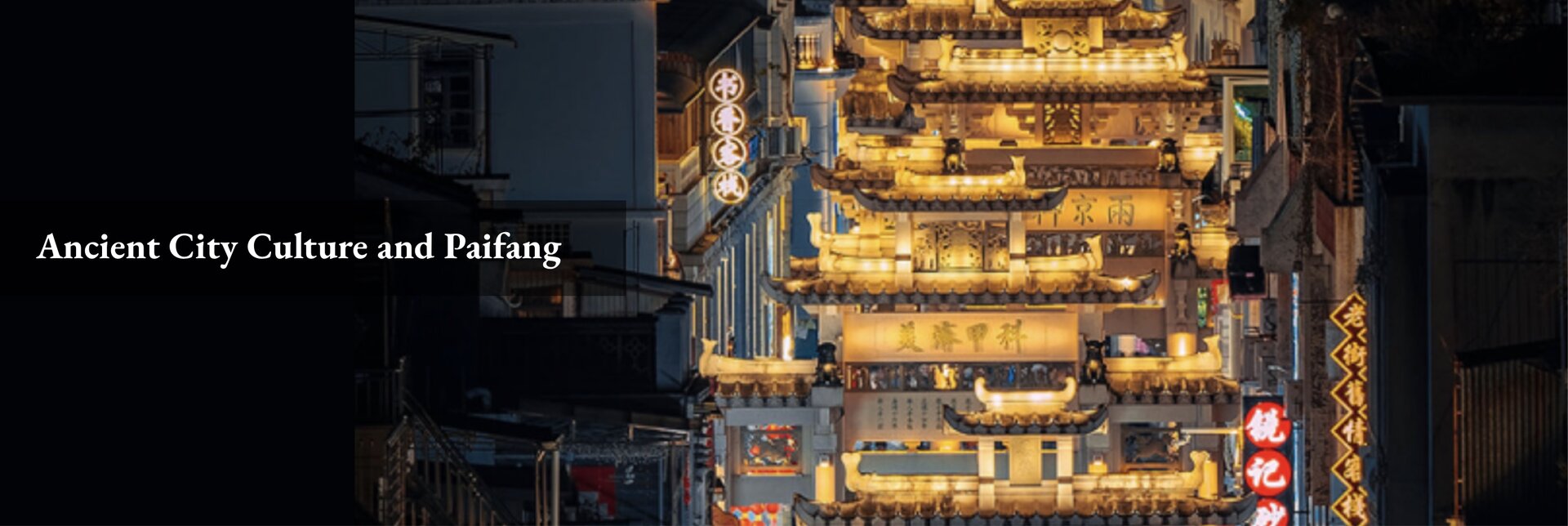
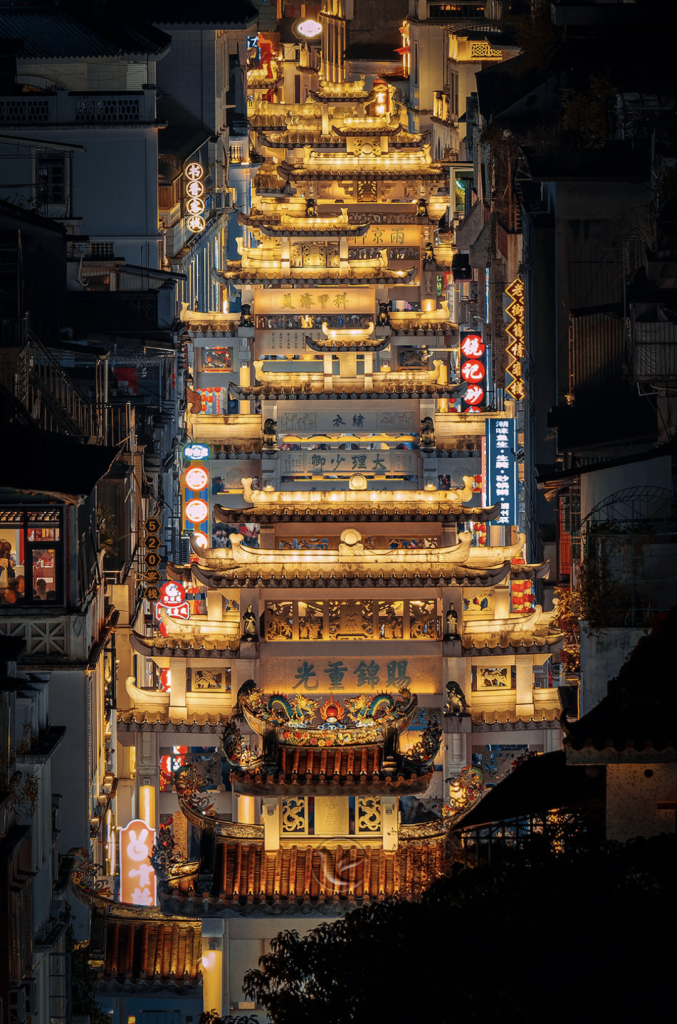
What I admire most are the 22 Chinese-style stone Paifang (牌坊)2 from the Ming and Qing dynasties standing along Taiping Road. Each paifang before my eyes tells of the remarkable achievements of many Chaozhou heroes, great figures, and refined scholars throughout history, and behind every one of them is a story worth savoring. According to historical records, the ancient city of Chaozhou and its surrounding rural areas once had a total of 152 paifang of various kinds. Most of these stone paifang were built in a three-tier structure with four pillars and three openings, and were integrated with arcaded buildings featuring Southeast Asian architectural styles, creating a unique hometown-of-overseas-Chinese cityscape that blends Chinese and Western elements.
Transforming Customs Through Moral Influence
In ancient China, especially after the Song dynasty, the practice of erecting paifang to honor loyalty, filial piety, chastity, and righteousness was in fact a socially established custom. Chinese people placed great importance on ethical values, and the paifang was like a symbolic structure that constantly reminded people to admire noble moral conduct. For this reason, the ancients attached considerable importance to the construction of paifang, in the hope of achieving the goal of transforming customs and social habits.
After the Song and Yuan dynasties, with the rise of Neo-Confucianism (理學), the didactic meaning of paifang architecture became even more pronounced. Paifang were often given an explicitly moral purpose: recording achievements and commemorating virtue, honoring chastity and integrity, and having inscribed plaques hung above the gate. In this way, the common people of a district or village, as they passed in and out, could be immersed in moral instruction.
A Symbol of Identity and Status
The ancients regarded "Books and rites pass down the family legacy (書禮傳家). " as a source of pride above their doorways. If one could receive the honor of having a memorial archway erected by those in power, it would naturally bring glory to the household and honor to one's ancestors. However, the erection of a memorial archway was no easy matter. Precisely because such recognition was hard to come by, the stone structures of these archways were often tall, imposing, and magnificently solemn — majestic and commanding in presence. On one hand, they inspired a sense of reverence and admiration for the noble virtues they commemorated; on the other, they were built to withstand the trials of time and stand firm through the ages.
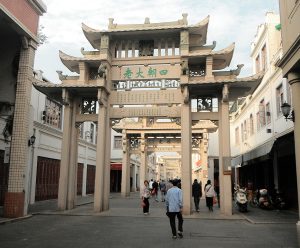
During the Ming and Qing dynasties, the construction of paifang not only served the practical function of moral edification, but also pursued perfection in architectural artistry. Beyond emphasizing their symbolic significance, the main structures of these paifang were adorned with carved dragons and painted phoenixes, reflecting an exceptionally rich level of craftsmanship, and in some cases even forming vast architectural complexes. Today, though times have changed, it is still not difficult to find towering paifang standing across the land of China. The ravages of wind and frost seem to have done little to diminish their power to recount the historical stories of a bygone era.
Reference
1. The Chinese character "潮" can both refer to the Chaozhou region and carry the meaning of "trend" or "fashionable"
2. Paifang is a type of archway structure erected in ancient China to commemorate meritorious achievements, academic honors, virtuous governance, as well as loyalty, filial piety, chastity, and righteousness. Some Taoist temples and Buddhist monasteries also use pailfang as their main gates, while others serve to mark place names.
All articles/videos are prohibited from reproducing without the permission of the copyright holder.
SHARE THIS




 Thank you for your like.
You’ve liked this article. Please browse more articles you may like!
people have liked this article/video
Thank you for your like.
You’ve liked this article. Please browse more articles you may like!
people have liked this article/video
Welcome to leave a message:
Please Sign In/Sign Up as a member and leave a message